If you’ve been following the world of gemstones lately, you know that 2025 ended with a hit. While most of us were enjoying the summer, something massive was being pulled from the earth in Zambia.
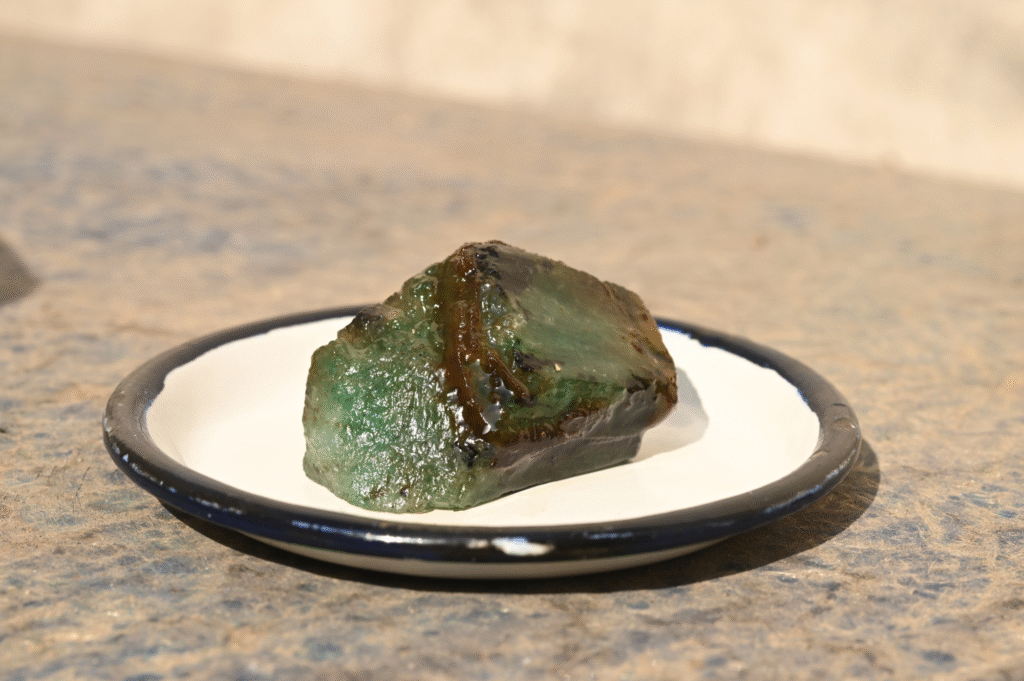
Meet Imboo. At a staggering 11,685 carats, it’s the largest high-quality emerald ever discovered at the famous Kagem mine. To put that into perspective, it weighs about 2.3 kilograms (over 5 pounds). Imagine holding a gemstone the size of a large cantaloupe that glows with an intense, verdant green.
Why the Name Buffalo?
In Zambia, there is a beautiful tradition of naming extraordinary emeralds after the Big Five wildlife. We’ve seen the 6,225-carat Insofu (Elephant), the 5,655-carat Inkalamu (Lion), and the 7,525-carat Chipembele.
When this new giant was unearthed on August 3, 2025, the team knew it needed a name that commanded respect. They chose Imboo, which means “buffalo” in the local Bemba and Lamba dialects. Just like the African buffalo, this stone is a symbol of strength, massive presence, and a certain “unshakeable” spirit.
A Natural Masterpiece
What makes Imboo truly special isn’t just its record-breaking size. Usually, when a gemstone gets this big, it loses its personality and becomes cloudy or pale. But Imboo is different.
According to the experts at Gemfields who first cleaned the stone, it reveals a deep, lush green with a “golden warmth” when you shine a light through it. Jackson Mtonga, a grading manager with 30 years of experience, called it a masterpiece carved by nature’s hand. It’s rare to see such clarity in a crystal this large.
Where Does a Buffalo Go?
So, what happens to a 5-pound emerald?
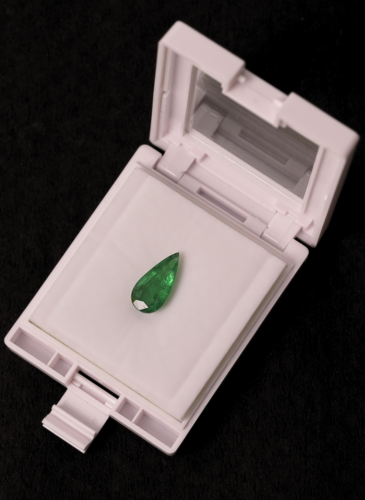
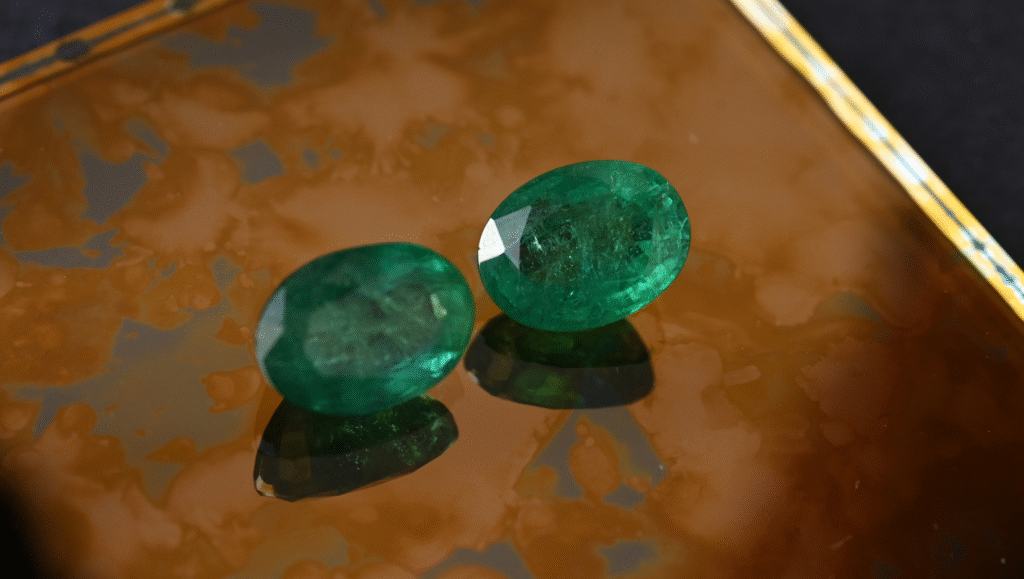
High Jewelry: Experts believe Imboo could be cut into a series of large, matching emeralds to create a single high jewellery suite, think a necklace, earrings, and a ring all born from the same mother stone.
Traceability: Thanks to modern technology, the owner can use nanoparticle tagging. This means that even after the stone is cut and polished into smaller gems, those pieces can be traced back to the original Imboo discovery.
History: For now, it remains one of the most significant finds in the history of mining, proving that the earth still holds massive, beautiful secrets.
The Human Touch
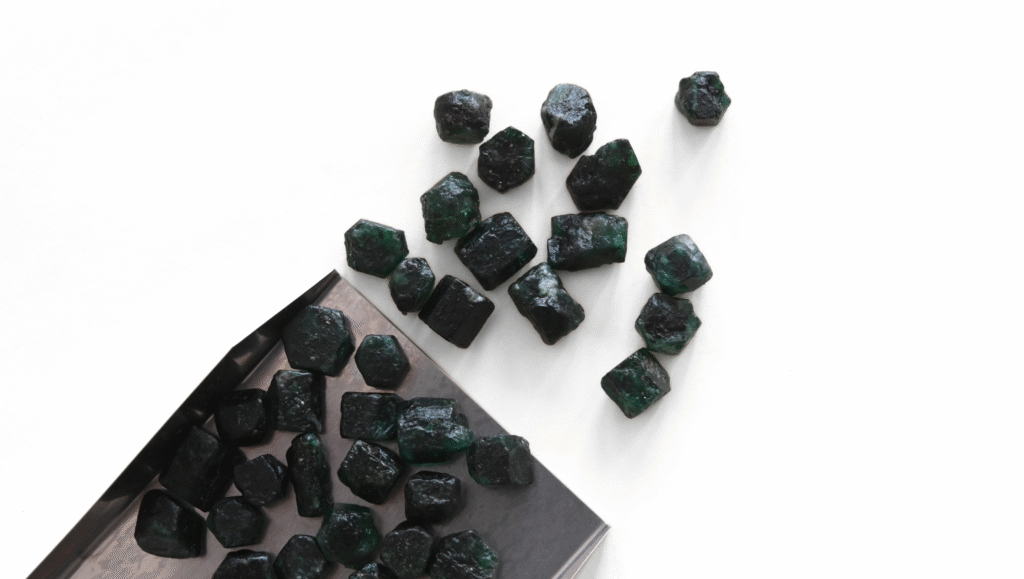
It’s easy to get lost in the numbers, but the discovery of Imboo was a deeply human moment. It was found by geologist Dharanidhar Seth and veteran chiseler Justin Banda. Using gentle, hand-based techniques, they carefully freed this buffalo from the rock that had held it for millions of years.
Whether it ends up in a museum or as the centerpiece of a world-famous necklace, Imboo has already left its mark on history. It reminds us that sometimes, nature still produces things that are simply too big to believe.